
Thumb Fighter Tips: Rhythm, Fake-Outs and Nerve
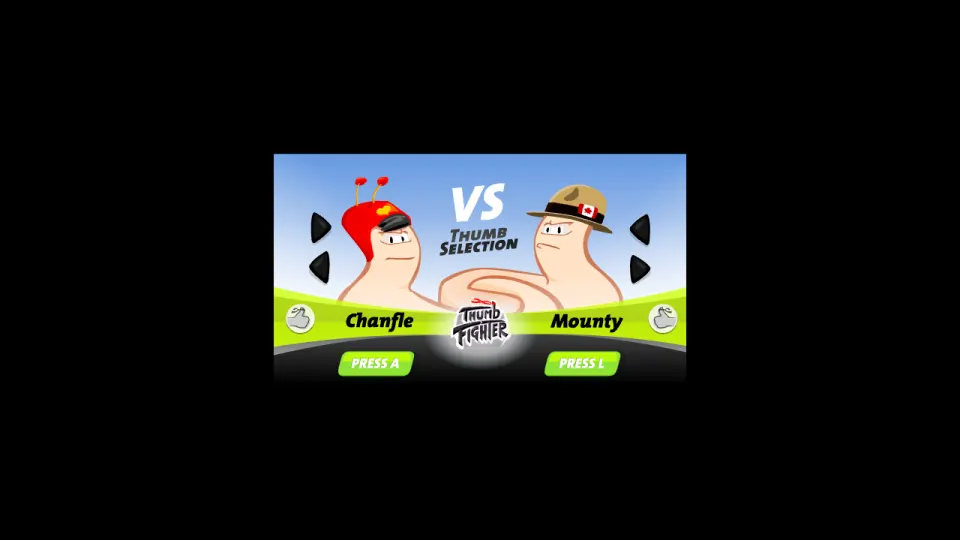 Click to play — free via gamemonetize
 Set a striking rhythm, then snap it — the fake-out outscores raw speed. Strike into your rival's windup rather than reacting after the slam, change your tempo immediately after losing a round, and stay patient in long rallies: the first thumb forced to commit usually loses the exchange.
Thumb Fighter digitizes the oldest playground institution: two thumbs, one surface, and the eternal question of who squashes whom. Each player owns a single button driving a cartoon thumb, and every round reduces to the same raw duel — strike at the right instant and your thumb lands on top; hesitate and you are under it.
Nothing to collect, nothing to upgrade, nowhere to shelter, which is exactly why the game rewards technique. This guide covers the windup read, the rhythm games that decide human matches, and the rally discipline that wins long exchanges. Solo players get an AI to practice on; the real sport, as always, is the thumb next to yours.
One button, one decision, zero excuses
Strip the cartoon dressing and every round asks the same question: when do you press? There is no combo list, no special meter and no positional play — the entire skill surface is timing, which means every loss is legible and every win is earned. That purity changes how you should practice. Instead of hunting for mechanics that do not exist, spend your first sessions simply watching: how long does a strike take from press to landing, what does the recovery look like, and how much warning does a rival get? Once the animation's shape is familiar, the game stops being a reflex test and becomes a reading test. Players who treat it as a speed contest lose to players who treat it as a conversation, because the faster thumb only wins when it arrives at the right moment.
The windup is the whole tell
Every strike begins with a windup — a split-second loading motion before the thumb comes down — and that windup is the most valuable information on screen. Reacting after the slam starts is too late; reading the windup lets your strike arrive during the one moment your rival cannot defend. The practical drill is shameless staring: for a few rounds, forget about attacking and do nothing but watch your rival's thumb and hand. Human players telegraph harder than they think, especially when excited, and the tell repeats — most people wind up the same way every time they mean it. Once you can spot the genuine windup against the fake, the power balance of the match flips permanently, because from then on every honest attack by your rival is a scheduled appointment you can keep.
Rhythm first, fake-out second
Against a rival who cannot read windups yet, the winning plan is almost embarrassingly simple: set a cadence, then break it. Strike at a steady beat for several exchanges — your rival's defense will sync to it automatically, because human pattern-matching is irresistible — then deliver your real strike a half-beat early or late. The desync lands far more often than any speed advantage would. The same principle governs losing streaks: after each round you drop, change your tempo immediately, because the version of you that just lost is exactly the version your rival has now solved. Predictability is the only fatal flaw this game punishes without appeal, and tempo variety is the cheapest cure. Speed is a talent; unpredictability is a decision, and decisions win more rounds.
Long rallies belong to the patient thumb
When both players survive the first exchanges, rounds stretch into rallies — a tense standoff of feints, partial winds and held nerve. Rallies obey a reliable law: whoever is forced to commit first usually drops them. Feints drain resolve asymmetrically — each fake costs the faker nothing but taxes the watcher's composure — so a rally is a stamina contest disguised as a timing contest. Your tools are economy and variety: feint less often than your rival does, vary whether each feint converts into a real strike, and let silence do your work. Boredom is a weapon; many rounds end because someone grew tired of waiting and swung into a prepared counter. Hold your thumb, hold your breath, and make the other thumb argue with itself about when the moment has come.
Touchscreen wars: split screens, split nerves
On phones and tablets the display divides into two tap zones, one per player, which turns any idle device into an instant duel — and changes the physical game. Flat surfaces favor fast strumming taps, so if you and your rival share a phone on a table, expect quicker exchanges and shorter rallies than keyboard play. Posture matters: anchor the heel of your tapping hand, because a floating hand fatigues within minutes and fatigue makes tempo predictable. Playing side by side also leaks information — shoulders, breathing, the tiny lean before a strike — so mobile rounds add body-reading on top of thumb-reading. Embrace it. The physicality is the charm, and the player who stays loose and boring at the table wins the tight sets, while the tense thumb donates round after round.
Series, stakes and the art of trash talk
This game is built for long couch evenings, and how you structure the series decides whether they stay fun. Each squash scores a point, rounds are quick, and the first to the target count claims the household crown — so agree the target before play starts and keep it modest. Short sets with silly stakes outlast endless scoreless grinding: loser buys snacks, winner holds the remote, whatever the household honors. The trash talk is not optional garnish; it is part of the metagame, because rattled thumbs revert to predictable tempo, and a rival who is laughing is a rival whose rhythm you now own. Keep the stakes silly and the talk loud. The moment a series turns genuinely tense and quiet is the moment both players stop improving and start guarding.
Why the AI is only a sparring partner
Solo mode pits you against a computer thumb, and it is serviceable practice: the AI strikes on timing patterns you can learn to read, and early sessions there build the windup-recognition habit safely. But the machine cannot perform the game's central trick, the fake-out that lands because a human wanted it to land. Computer feints arrive on schedule; human feints arrive with intent, tailor-made for the pattern you showed two rounds ago. So treat solo play as classroom hours and human matches as the exam: drill your read speed against the AI, then take that read to the couch, where it will fail once, adjust, and start working. Every skill in this guide — windup spotting, tempo breaking, rally patience — pays at full value only against a rival who is also reading you back.
FAQ
How does a match decide a winner?
Is it really one button per player?
Can I practice against the computer?
Related guides
 1P/2P
1P/2P