
Drunken Duel Tips: Win the Wobbliest Standoff in the West
 Click to play — free via gamemonetize
 Fire at the peak of your ragdoll's sway toward the rival, not at random. Watch their arm swing — it telegraphs the shot direction a beat before the bullet. Never fire the instant a round resets, and against the computer, let it shoot first and punish the miss.
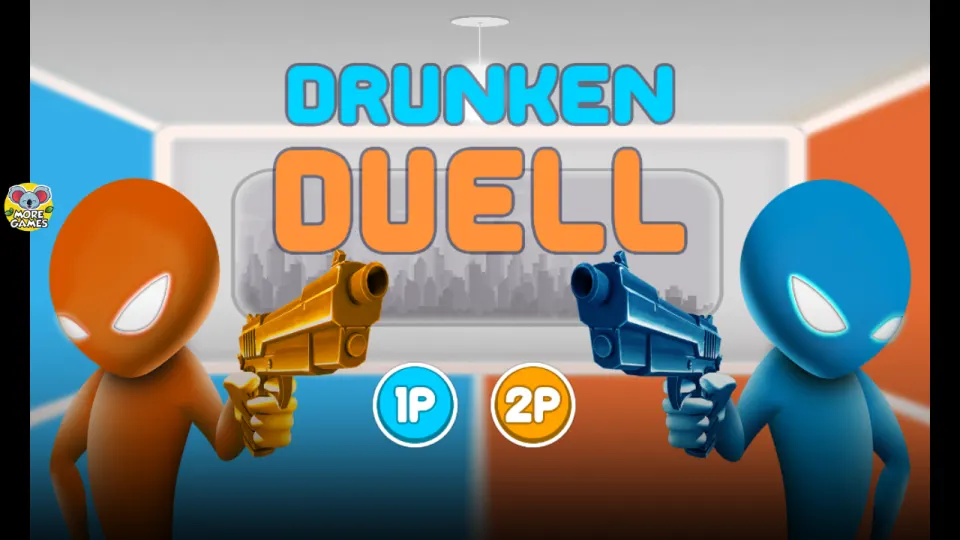
Drunken Duel is a western standoff where the gunfighters have had far too much to drink and aiming is done entirely by the sway of a ragdoll arm. One button per player, five-second rounds, and matches that feel like pure luck until you notice the luck has a rhythm.
That rhythm is learnable. This guide covers the sway-timing that turns wild shots into hits, the reset discipline that wins the first exchange of every round, and the specific counter-strategies for both modes — dueling a friend across one keyboard or out-shooting the computer solo. Nothing here requires fast hands; it requires noticing what the game is telling you.
The sway is your aim system
There is no manual aim in this game — the drunk arm swings on its own pendulum, and the barrel's direction at the moment of firing is where the bullet goes. Once you see it that way, the whole game reframes: you are not shooting, you are choosing the moment. Each ragdoll rocks on a loose, repeating rhythm, and part of that cycle points more or less at your rival. Your job is to find the peak — the beat of maximum swing toward the target — and commit your shot there. It will still wobble, and some peak shots still miss into the sky; that is the comedy tax. But shots taken at the peak land far more often than shots taken in panic, and over a match the difference is a scoreboard, not a vibe.
Watch the arm, not the gun
Every duel gives you one piece of free intelligence: your rival's arm telegraphs their shot a split second before it fires. The swing direction tells you where the bullet is heading — an arm arcing toward you means the shot is coming your way, an arm drifting skyward means the round is about to be wasted. Reading it does two things. Defensively, it lets you brace for the beat that matters instead of flinching at everything. Offensively, it tells you when the rival has just wasted their attempt — and a wasted enemy shot is your cue that the next several seconds are your window, since both ragdolls reset after each exchange. Most players stare at center screen and process nothing; the ones who watch arms start winning rounds they cannot explain.
Reset discipline: do not waste the fresh aim
When a round resets, both cowboys start from a neutral stance with a fresh swing cycle — and the universal beginner mistake is firing into it immediately. Those opening-instant shots almost always go off while the arm is still settling away from the target, and they hand the round's best aiming window to whoever kept their finger still. The fix is a hard rule: the first beat after every reset belongs to nobody. Let the swing establish itself, find the peak described in the first section, then shoot. In a first-to-score match this discipline alone flips close series, because every round starts the same way and you are winning the same moment, over and over, while your rival keeps donating their opening into the dirt.
Against the CPU: let it shoot first
Solo mode puts you across from a computer drunkard with the same physics and a telling habit: it tends to fire early in its swing cycle, and early shots miss wide. That predictability is your entire strategy. Hold fire, let the AI spend its attempt, and watch where the miss goes — the moment its shot breaks, your ragdoll's next peak arrives with no incoming threat to worry about, and your counter-shot lands against a rival that is mid-reset. The pattern is patient, almost boring: absorb, observe, punish. If you mirror the CPU's eagerness instead, duels degrade into simultaneous wild shots and coin flips. The computer is happy to trade randomness with you; it is much less prepared for an opponent who simply refuses to shoot second-rate windows.
Two-player mind games: break your own rhythm
Shared-keyboard duels add the one ingredient the CPU cannot supply: an opponent who reads you. If your shot timing settles into a groove — always at the same beat after the reset — a watching rival will time their shot to interrupt it, and your peak becomes their trap. So build deliberate variety into your shooting: take an early wildcut shot once in a while precisely because it is unexpected, hold through two full sway cycles after a reset to make your patience unreadable, and occasionally fire at a deliberately bad moment to poison their read. The aim here is not those specific shots — it is making your swing cycle unscannable. Against friends, the mental duel outgrows the physics one fast, and the player whose rhythm cannot be read collects all the close rounds.
The double-KO problem: sometimes do not shoot
Both gunslingers can drop in the same exchange, and the double knockout is this game's purest comedy and purest trap — you hit your rival exactly as their bullet finds you, and the round resolves with nobody satisfied. Once you are leading a match, the double-KO math starts mattering: trading rounds one-for-one favors whoever is ahead, so the leader should be the duelist more willing to hold fire during mutual windows. Conversely, when you are behind, forcing frantic simultaneous exchanges is exactly how you claw back points, because chaos ignores the scoreboard. Knowing which side of that trade you are on — and dueling the trade instead of the bullet — is the closest thing this game has to endgame strategy, and it wins more matches than any aiming trick.
Manage the race without tilting the revolver
Matches run to a target score of round wins, and the format's five-second rounds make score swings emotional: two lucky opponent hits in a row feel like injustice, and injustice invites the worst play in this game — spamming. When the lottery runs against you, return to first principles: peak timing, reset discipline, arm-watching. They are boring because they are reliable, and they are how every comeback actually happens. Leading players get the mirror advice — keep shooting your structure, not the scoreboard; showboating shots taken at non-peak beats are how comfortable leads become nail-biters. A match here is just many tiny coin flips, and the only real edge is making your flips slightly less random. Over ten rounds, slightly is enormous.
FAQ
How do you win at Drunken Duel?
Can you play against the computer?
Why is the game so random?
Related guides
 1P/2P
1P/2P