
Two Archers Bow Duel Tips: Draw Power, Arrow Drop and Armor
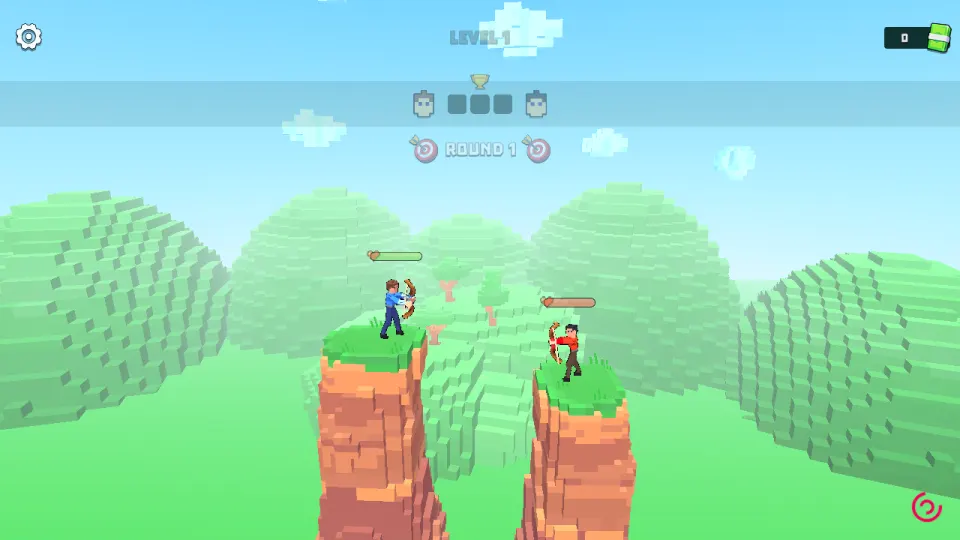 Click to play — free via gamemonetize
 Hold every draw slightly longer than feels necessary so arrows fly at full power, aim above distant targets to compensate for arrow drop, and put headshots only into stationary rivals — moving heads are lottery tickets. Buy armor early in a session and use high ground for repeatable flat trajectories.
Two Archers Bow Duel strips archery down to three questions: how much power is in the draw, where will the arrow actually land, and can your target survive it when it does. Every duel is a single exchange with a rival marksman across shifting terrain, and every loss tells you exactly which of the three questions you got wrong.
This guide answers all three — draw mechanics, range compensation, and the armor math that decides whether headshots end duels — plus the terrain habits and the post-loss ritual that turn a string of defeats into a climbing win rate. It is one-on-one play against the game's own marksmen, and the advice scales as their challenge ramps.
Full draw or do not loose the arrow
Draw power scales with hold time, and the temptation to snap off quick arrows is the most expensive habit in the game. A weak arrow flies slower, drops harder, and — worst of all — announces your position to a rival who now knows where you are and that you are impatient. Treat every release below full draw as wasted ammunition plus free information for the enemy. The practical drill: in your next few duels, hold each draw one beat longer than comfort suggests, then release. You will feel the difference in travel time immediately — full-power arrows arrive fast enough that dodging becomes guesswork, while soft ones drift in slow enough for a moving target to simply step aside. Patience per shot, not shots per minute, is the whole discipline.
Compensate the drop at range
Arrows fall as they fly, and the further the duel, the more your aim point and impact point separate. Up close the error is invisible; at long range it is the difference between a chest hit and dirt. The correction is deliberately unscientific and repeatable: learn one reference — at maximum draw across the longest sightlines, aim roughly a head-height over your intended impact point, then adjust from results. Because a miss teaches you exactly which direction and how much, second shots at the same range get brutally accurate, which is one more reason to value each arrow and stay alive to take it. When the terrain changes the range between rounds, expect to re-learn the drop once before it clicks — that is normal, not a slump.
Headshot the still, body-shot the moving
The headshot ends duels instantly, and chasing it against the wrong target wastes duels just as fast. The decision rule is movement: a stationary rival at known range is a legitimate headshot target — line it, full draw, release. A rival mid-stride or mid-dodge is a lottery ticket; the head is a small target and leading it against an unpredictable path is how duels are thrown away. Against movers, shoot the body: the torso is three times the size, the damage still accumulates, and pressure itself degrades their aim. Against armored opponents this ordering matters even more, because attrition — repeated clean body hits — is the plan, and the headshot is the finisher you take only when the target obligingly stands still.
Armor math: buy it early, respect it always
Pre-duel armor turns one-shot deaths into survivable exchanges, which quietly rewrites every rule above: body shots stop being lethal pressure and become chip damage you can out-trade. Buy it at the first opportunity in a session, while you are still learning each terrain's sightlines — the mistakes armor forgives are exactly the mistakes the first duels on new ground produce. And when the armor belongs to your rival, adjust the plan, not the attitude: padded targets do not fall to one heroic arrow, so shift to the attrition rhythm — repeated body hits, minimal exposure between shots — and let the headshot wait for an error. Duels against armor are won by whoever treats it as math instead of an insult.
High ground: flat shots you can repeat
When a map offers elevation, take it before the duel starts thinking about you. Shooting downward flattens your effective trajectory, which shrinks the drop-compensation problem from the second section and makes your aim repeatable under pressure — the same reference point works twice in a row, which is what consistency actually is. High ground also shortens visible angles for a rival trying to peek you, and forces their arrows into the harder uphill math. The discipline that completes the advantage is staging: settle your position, pre-aim your reference, and only then invite the exchange. Players who take high ground and immediately celebrate by spamming arrows donate the position back. Elevation is an investment in boring, repeatable, winning archery.
Every loss is legible: fix one thing per duel
This game's losses explain themselves if you let them. Rushed the draw and the arrow drifted low? Misjudged the drop on a long sightline? Chased a moving headshot and hit nothing while your rival lined your chest? Each defeat has one named cause, and the improvement loop is to name it and change exactly one behavior in the next duel — never two, because two changes means you cannot tell which one worked. Keep the ritual honest even in wins: a duel you won with two rushed arrows tells you the rival was weaker, not that rushing works. Forty minutes of losses with one fix each is a completely different archer by the end of it; forty minutes of blameless rematches is just forty minutes.
Reading the AI marksman across the ramp
Your opponents are the game's own marksmen, and their difficulty ramp teaches in stages: early rivals expose themselves often and shoot softly, mid-tier ones use terrain and armor properly, and the top end punishes every pattern you have fallen into. The read that matters is their patience level — impatient AI marksmen give you free windows after every weak arrow they loose, while patient ones demand you manufacture mistakes with feints at peek angles. Adapt the same way each climb asks: against spammers, hold cover and take the free full-draw answer after their misses; against campers, change your peek height and angle every approach so their pre-aim lands where you were. The ramp is long, but it is really only teaching one lesson at increasing volumes: patience wins duels.
FAQ
Do you play against other people or the computer?
What does armor actually change?
Do arrows drop over distance?
Related guides

 1P
1P